


This text is addressed to readers with a certain spiritual awareness and elevation. I admit that it is not suited to everyone, and its content may seem troubling to some souls. The article is therefore intended for a forewarned readership, as it may offend certain sensibilities. May each person receive it with discernment.
The first story (link) told of a woman whose body wasted away whenever faith reasserted its claims.
The second (link) described a man whose home breathed only under the breath of a forbidden love.
Two different kinds of health — one physical, the other familial — and yet the same inner vertigo: living between light and transgression, balance and clandestinity.
And that is precisely where this third part opens: no longer the story of a body or of a couple, but a deep reflection on what truly keeps us alive.
Two people were struggling, without knowing each other, yet bound by the same inner tension: finding life outside the permitted paths. In her case, the forbidden soothed the body and brought her back to health. In his, clandestine love gave him the strength to love those who should have been his natural priority. Two distinct accounts, yet deeply parallel: a forbidden act that heals, an adultery that nourishes, a sin that seems to offer what morality no longer offers.
And so arises the question no one dares ask out loud: what if the wrong were not the root but the refuge? A clumsy escape, certainly, but towards something that, for a time, awakens, repairs, gives structure. What if sin were merely the painkiller for a deeper ailment? Not the ideal remedy, but the one that, in the moment, lets a heart at the end of its breath breathe again.
For behind the transgression there is a lack. Behind the failing, an emptiness. Behind the adultery, not necessarily a contempt for marriage, but sometimes the silent despair of a person who can no longer manage to feel alive where, in theory, they ought to. This is not about condoning. But it would be too easy to judge and condemn the fruit without looking at the root that fed it.
A marriage can be stable yet bland. A faith can be obedient yet joyless. A heart can stay within the rules while withering inside. And then, out of an instinct for survival, the human being looks for air. Wherever it can be found. Even where it should not be.
Sin sometimes becomes the food of the dying. It does not heal, but it keeps you standing. It does not sanctify, but it warms. It is not the light, but it shines more than the void does. How do you blame someone for drinking forbidden water when the legitimate spring has been dry for a long time? How do you demand fidelity, chastity, piety, when the heart is no longer fed? Must we really cut away the shadow if no light is ready to take over its role?
The danger, however, remains: living on a crutch has never knitted a bone back together. Removing the forbidden without restoring what is missing amounts to leaving someone an amputee in the name of morality. The real question, then, is not “must it stop?” but “what is missing for stopping to become possible?”
And what if repair consisted not first in closing the door on sin, but in reopening the legitimate spring? In reviving the love that has gone out, the faith that has dried up, the joy that has been lost. In giving back to God, to the couple, to the inside, the place that the outside occupies today. In making the home as alive as the shadow competing with it. Only then does sin stop being a temptation and become a memory, because we leave the forbidden behind without regret only when we find something better than it.
The conclusion is brutal: as long as the outside feeds better than the inside, the outside will win. What is unlawful but nourishing will always triumph over what is lawful but barren. You do not heal a starving heart with a sermon. You do not treat loneliness with a verse. You do not replace water with a reminder of the law that says you have no right to be thirsty.
So a prayer remains, also in five points, humble, stripped bare, without dogma or façade:
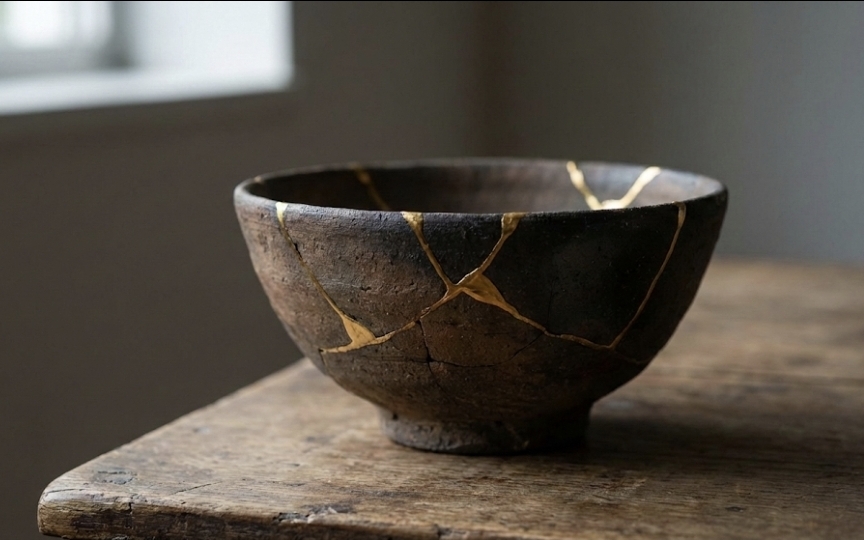
May God restore the homes that have cracked, not by dry prohibition but by deep healing.
May He bind up wounded hearts and weakened marriages, and rekindle desire where it has gone out.
May He make the lawful garden bloom again, without borrowing water from forbidden wells.
May He give lawful love back its power to charm, to flourish and to enliven. For holiness without life is a tomb, but life without holiness is a flight.
May God grant us both: the light, and the warmth.
Amen!
M. Z.
Comments